The Hidden Cost of AI Sprawl: When Too Many AI Tools Slow You Down
Twelve AI tools and nothing connects. The hidden cost of AI sprawl is fragmentation, and it is quietly slowing teams down.
Eric Rapaport, Founder
Quick Summary
AI sprawl's real cost is not subscription money but fragmentation: each tool has its own memory, so knowledge scatters across silos and nothing compounds. A second symptom is decision fatigue, when teams spend more time choosing tools than using them. The fix is not fewer tools but one shared memory. Anchor your tools to a single second brain workspace that holds your files, meetings, and decisions, so every tool reads and writes to the same brain. Start by connecting your three most-used tools and make one rule for new tools: they only join if they can read and write to that shared workspace.
The Hidden Cost of AI Sprawl: When Too Many AI Tools Slow You Down
Every week brings a new AI tool. A writing assistant here, a meeting summarizer there, a research bot, a slide generator. Six months in, your team has twelve AI tools and a new problem: nothing connects, nobody remembers what was said where, and the tools are quietly slowing you down.
What AI sprawl actually costs
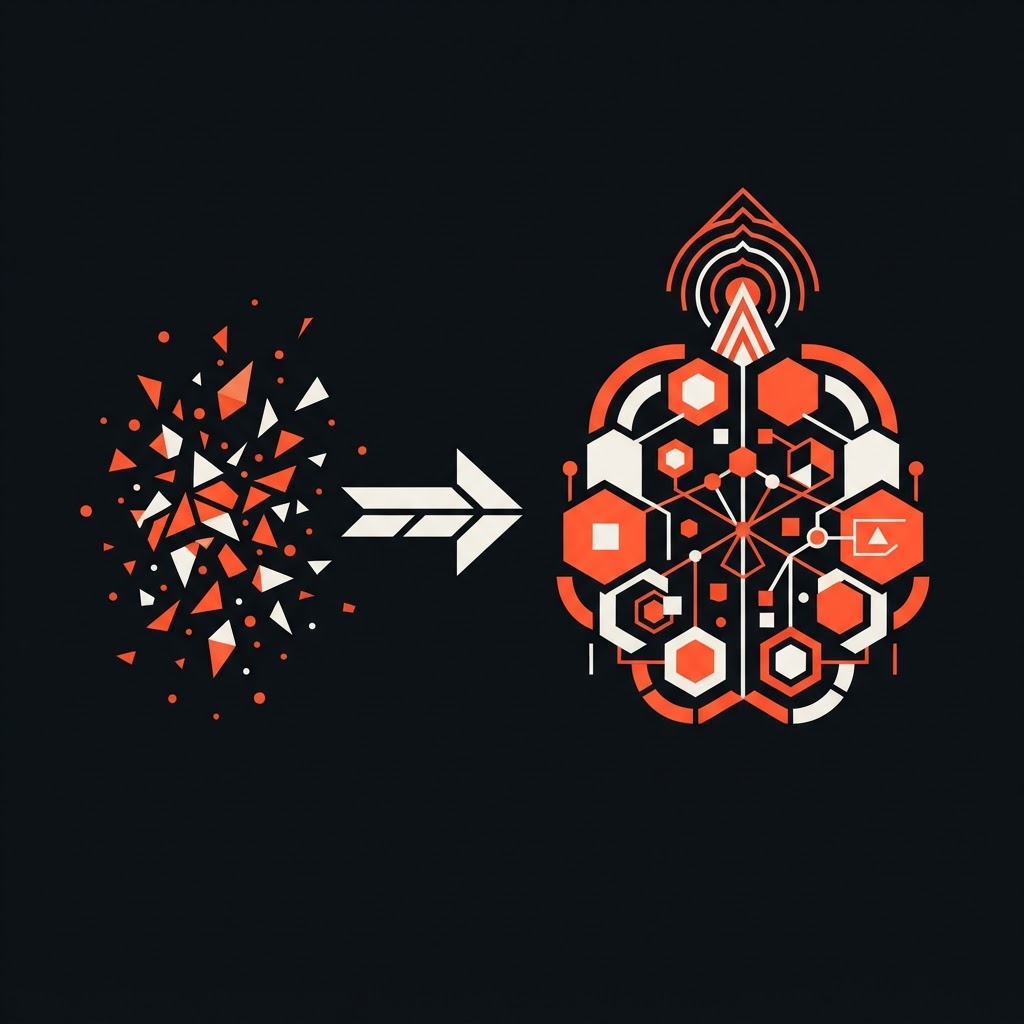
The cost is not the subscription money, though that adds up. The real cost is fragmentation. Each tool has its own memory. The meeting summarizer does not know what the writing assistant drafted. The research bot cannot see the notes from last week. Your business knowledge is now scattered across a dozen silos, each slightly smarter than a notepad, none of them building on the others.
There is a second cost that is harder to see: decision fatigue. When every task has its own tool, your team spends more time choosing tools than using them.
The symptom to watch for
The clearest sign of AI sprawl is when someone asks, which tool should I use for this, more than once a day. If your team needs a map to know which AI to open, the tools are working against you.
The fix is not fewer tools, it is one memory
You do not need to ban tools. You need one place where the knowledge lands. That is what a second brain is. Instead of twelve tools each with their own memory, you anchor them to a single workspace that holds your files, meetings, and decisions. Every tool reads from and writes to the same shared brain.
When that is in place, sprawl stops being a problem. The meeting summarizer writes into the shared brain. The writing assistant reads from it. The research bot builds on what the others learned. You can add new tools without adding new silos.
How to start consolidating
Pick the three tools your team uses most. Connect them to your second brain so their outputs land in one place. Then, for the next new tool, make one rule: it only joins the stack if it can read and write to that shared workspace. Sprawl becomes impossible by design.
Rather have this built for you? That's what we do.
Leave a Comment
Comments (0)
Related Articles

Small businesses are moving past basic AI experimentation toward strategic adoption of intelligent systems. An AI second brain offers a way to centralize your company knowledge and automate complex workflows.
Small businesses are shifting from AI experimentation to full operational integration. Discover how an AI second brain helps you scale without increasing headcount.

Autonomous AI agents are transforming small business operations across sales, support, and administrative workflows. Without a centralized AI second brain, these tools risk operating on fragmented context and slowing teams down.